Technology is changing how gas engineers train. From online theory modules to AR-assisted fault-finding, the future of gas training is hybrid, and it's already here.
Combining online flexibility with hands-on practical training for the best of both worlds
How new tools are reshaping the way gas engineers learn and qualify
Augmented reality is making its way into gas engineering education. AR glasses can overlay fault-finding procedures directly onto a boiler during training, helping students identify unsafe situations and follow step-by-step repair sequences with digital guidance layered on top of the real appliance. This kind of hands-on visual learning helps bridge the gap between theory and practice.
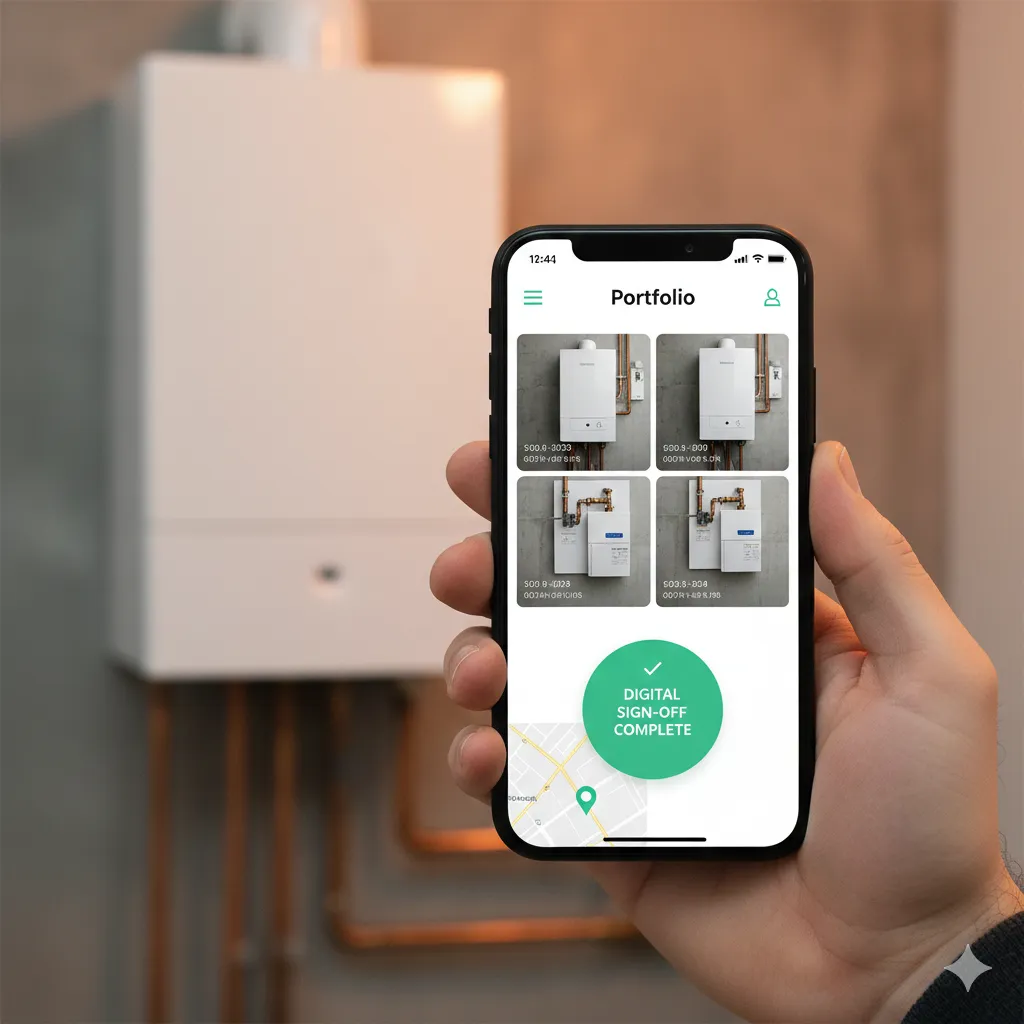
Digital logbooks are replacing paper-based RWEE evidence sheets across the gas training sector. Modern portfolio apps allow trainees to upload photo evidence of completed jobs, capture GPS-stamped site visits, and collect digital signatures from supervising engineers, all from a smartphone. This makes the 90-day evidence portfolio faster to compile, harder to lose, and easier for assessors to verify. One company is building this specifically for gas engineers and the trades sector, streamlining the journey from trainee to Gas Safe registered.
Virtual reality environments for pre-assessment practice are on the horizon for gas engineering training. VR simulations allow students to practise fault diagnosis on virtual boilers and heating systems without any gas risk, making mistakes in a safe environment before touching real appliances. This is particularly valuable for building confidence before high-stakes ACS assessments. Some college programmes are already experimenting with this technology, and the cost of VR headsets continues to fall, making classroom deployment increasingly viable.
Gas training has clear boundaries, here's what works remotely and what requires in-person attendance
What the research says about digital and hybrid learning in vocational trades